
How local ads in Spain affect sports fans and venues
Understand what local anuncios locales en España mean for athletes, events, and fans. Practical guidance for clubs, runners, and readers in this sports-focused

What you read here matters if you follow athletics, fitness, or team news. Local ads in Spain can shape where events land, how sponsors engage, and which facilities get used. This explainer breaks down what to know, why it matters for players and fans, and how to navigate it without missing a beat on the field.
First, we’ll outline what these local ads are and how they show up around sports venues and routes. Then we’ll explain their timing, players’ access, and the practical steps you can take to use that information. Finally, you’ll see concrete options and common traps so you don’t misread a listing or miss an opportunity.
In the end, you’ll have a clear sense of when to expect local ads, what they signal for events and training, and how to verify details before committing to a plan.
- Local ads in Spain influence when and where sports events occur. They affect sponsorships, athlete access, and fan planning. Always verify details with official club or venue sources. Use multiple listings to confirm dates and locations.
- This guide shows how to read ads, what to look for, and how to act on solid information. It also highlights common misdirections and how to avoid them.
- By following these steps, you’ll read a local listing with confidence, plan travel efficiently, and seize opportunities without getting misled.
Basics you need to know
What they are and why
Local advertisements in Spain appear near venues, on transit routes, and in community spaces during sports seasons. They can influence event timing, sponsorship reach, and spectator access. Understanding where these ads show up helps you plan travel, tickets, and training schedules around competitions. anuncios locales en España
- Ads appear around stadiums and along race courses
- Sponsor visibility shapes event funding
- Timing can affect travel plans and ticket sales
How to spot opportunities
Reading listings smartly
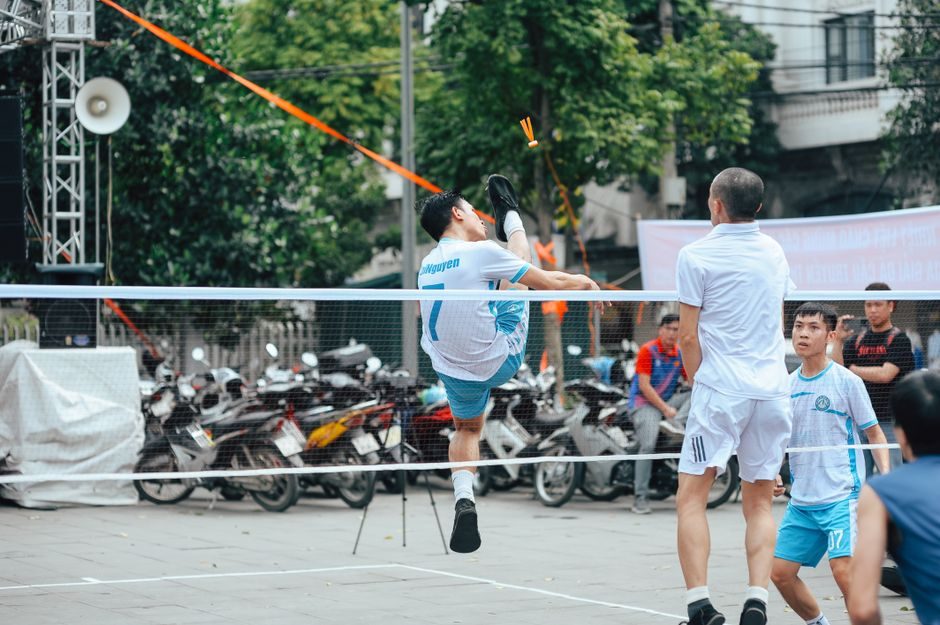
Look for dates, locations, and contact details in the ads. Compare several listings to confirm consistency across sources. This helps you avoid false starts and lock in the right event or training session. A useful resource on this topic: deportesnoticias.es noticias.
- Check multiple sources for the same event
- Note official contact points and deadlines
- Watch for venue accessibility and transport notes
Options you can use
Participation routes
Local ads can promote races, clinics, and gym collaborations. Decide which option matches your goals, whether improving pace, learning new drills, or networking with sponsors. Use the ad to gauge what is offered nearby and when to sign up. A useful resource on this topic: añadir un evento en España.
- Races and timed events nearby
- Coaching clinics with clubs
- Pop-up training sessions in parks
| Option | What it offers | Who benefits |
|---|---|---|
| Race events | Publicise endurance routes and dates | Runners and clubs |
| Coaching clinics | Skill work with specialists | Athletes and youth teams |
| Pop-up sessions | Casual training with trainers | Community runners and locals |
Pitfalls to avoid

Common warning signs
Ads that lack specific details, like dates, venues, or organizers, are a red flag. Suspect quick changes to locations or times, which can waste travel and training plans. Always verify with official club pages or venue calendars. A useful resource on this topic: guía de comercios en España.
- Vague terms and last-minute changes
- Unverified contact addresses
- Overly generic promises of access
Build a short approval checklist for sponsors to speed contracts and reduce delays.
Advanced booking and safety
Smart pre-booking strategies
Advanced booking helps organizers secure prime visibility around big matches. Prepare a calendar of local events and align ad buys with seasons when attendance peaks. Coordinate with venue staff to ensure ads show correctly on timing slots and avoid clashes with rival sponsors. comunicar un fallecimiento en España
- Confirm clarity of placement and time windows.
- Ask for written confirmation of ad content and formats.
- Set a clear cancellation and refund policy.
Build a short approval checklist for sponsors to speed contracts and reduce delays. Include clear terms on placement, display duration, and target reach. This reduces last‑minute changes that can disrupt game day newsrooms and fan experiences.
Keep safety in mind by vetting advertisers before they sign. Require contact details, return policies, and a simple dispute process to handle mismatched messaging without disrupting events.
Digital tools for local ads
Online platforms for local reach
Sports fans respond to timely updates about local events on social feeds and community apps. Use geo‑targeted ads to reach people who live near the stadium or train routes. Track engagement with simple metrics and adjust budgets weekly to maximize impact.
Leverage lightweight creative: bold colors, clear numbers, and a single call to action. Avoid clutter and ensure readability on mobile devices. This minimizes misreads during fast, on‑the‑go moments.
Maintain a simple landing page that mirrors the ad and provides a map to the venue, parking tips, and a contact email for questions.
- Use A/B testing on headlines
- Keep loading times short
- Monitor regional engagement
- Coordinate with local press for cross-promotion
Analytics that matter
Start with basic reach metrics tied to neighborhood density and event days. Compare ad impressions against footfall on match days to spot real ROI. Use this to refine future campaigns and avoid wasted spend.
Set a modest budget for experimentation, then scale what works. Focus on ads that drive visits to the venue or signups for fan clubs. Avoid chasing vanity metrics that don’t translate into attendance.
Document learnings in a simple one‑pager that the team can reuse: ad type, location, audience, and outcome.
Community impact on clubs
Support that strengthens clubs
Local ads can fund youth programs and club facilities without depending on larger sponsors. Neighbors who see their banners often become season ticket holders or volunteers. This creates a cycle of involvement that benefits the whole ecosystem.
- ☐ Support youth facilities with visible sponsorships.
- ☐ Reinvest a portion of ad revenue into local programs.
- ☐ Provide clear updates to fans about allocations.
Communities appreciate transparent use of ad revenue. Publish a brief annual report showing how funds are allocated to fields, coaching, and equipment. This builds trust and loyalty around the team.
Engage supporters by inviting feedback on where ads should appear and what messages resonate most during key matches.
- Invite community groups to sponsor blocks
- Publish simple revenue summaries
- Offer volunteer opportunities at events
- Host fan forums about venue improvements
Beyond sports venues
Retail partnerships near arenas
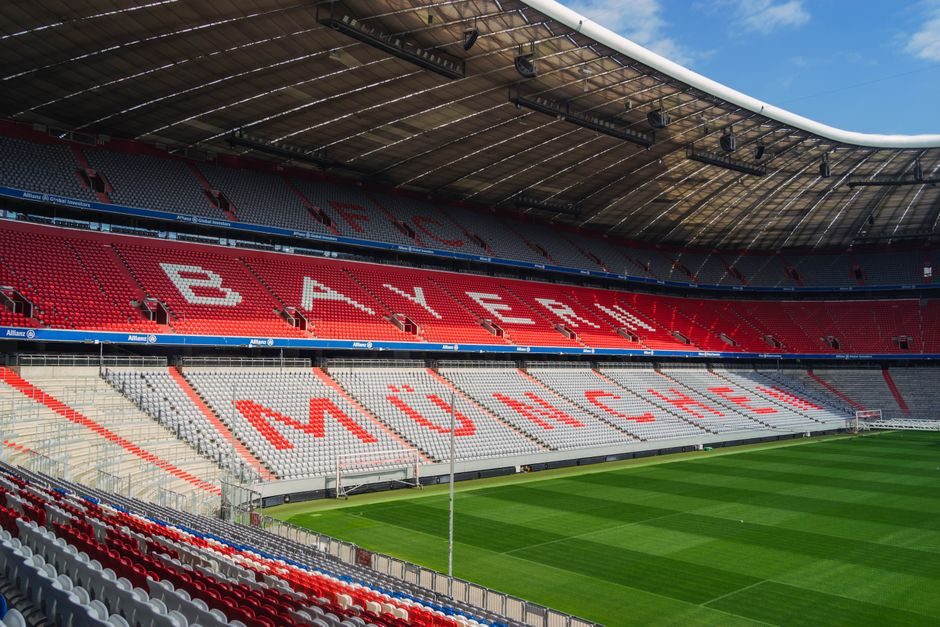
Advertisers nearby can reach fans before and after games with convenient promotions. Proximity matters because fans often visit shops on the way to the stadium. Make partnerships easy to redeem at the point of sale so the value is tangible.
Coordinate with local businesses to synchronize promotions with match dates and team events. This creates a recognizable rhythm that makes the ads feel like part of the game atmosphere.
Track redemption data to show how ads translate into foot traffic and sales without revealing sensitive numbers to rivals.
- Pair ads with on-site banners
- Offer quick, verified discounts
- Use QR codes for fast redemption
- Share results with partners to refine offers
Media and community storytelling
Local ads can tell stories about the community connected to the club, not just product pitches. Highlight athlete volunteers, school collaborations, or neighborhood traditions around game days. This humanizes the brand and deepens fan engagement.
Use short videos or photo series that fans can share, featuring real locals and their relationships to the club. Authentic content travels farther than generic ads and strengthens trust.
Ensure content remains respectful and relevant to the sport and its audience, avoiding overly promotional tones that erode credibility.
- Feature real fans and volunteers
- Publish short, native videos
- Respect sensitive topics and privacy
- Keep messages consistent with club values
Frequently asked questions
Can local ads influence tickets or merchandise sales directly?Local ads can influence fan behavior by creating awareness of events, early‑bird offers, or in‑venue promotions. The effect tends to be indirect, helping to drive visits and interest rather than guaranteeing a sale. Track simple metrics like redemption or foot traffic to gauge impact.
How should venues handle conflicting sponsor messages?Venues should have a clear policy that prioritizes safety, readability, and fan comfort. A pre‑approval process and a straightforward dispute resolution path help keep on‑site messaging consistent without delaying game operations.
Are bilingual ads appropriate near stadiums?Bilingual ads can improve reach if the local fan base includes multiple language groups. Ensure translations are accurate and culturally appropriate, and avoid overloading fans with text during a fast-paced game.
What is a reasonable budget for local ads around games?Budgets vary by venue and market. Start with a modest allocation focused on high-visibility locations and key match days, then adjust based on simple, trackable outcomes like in‑venue promotions or redemption rates.
Conclusion
Local ads around sports venues can support the community and the game experience when approaches are thoughtful and transparent. The goal is to complement the match day, not overwhelm it, with clear directions and respectful sponsorships that fans notice. A steady, community‑minded approach builds trust and attendance over time.
For the next steps, coordinate with the venue team to map calendar events, test a small number of high‑impact placements, and review fan feedback after each event. Use the insights to refine the budget, messaging, and partner selection so sponsorships feel like a natural part of the sport.
Add Pakistan News as a preferred source on Google


