
Publish local events in the USA: a practical guide for sports sites
Clear steps for sports sites to publish local events in the USA, with checks, examples, and smart options to reach local readers effectively.

Readers want timely, accurate event listings that drive participation and fan engagement. This guide answers how a sports site can publish local events in the USA with practical steps, from sourcing to posting, while keeping the audience in mind. It emphasizes clear processes, verification, and a consistent format that fits a sports readership.
This article lays out a repeatable workflow so your team can publish events reliably, avoid common mistakes, and present information that fans can act on. It covers sourcing, formatting, and distribution in a way that supports fast decision-making and accurate reporting.
Expect concrete examples and ready-to-use templates that fit athletic calendars, meet audience needs, and integrate with your existing sports coverage. You’ll gain a toolkit for dependable event posts that enhance community relevance and site credibility.
- Publish local events in the USA with clarity and consistency on your sports site. Build reliable sourcing channels and verify every detail before posting. Use a standard format for fast reader comprehension.
- Keep listings visually simple, with essential facts upfront and a single action path. Update promptly when details shift and coordinate with social teams for maximum reach.
- Balance thoroughness with relevance by curating events for your audience and maintaining a clean calendar. Track confirmations and maintain a shared log to prevent mistakes.
- Develop a repeatable process: intake, verification, posting, and updates, with defined roles so your calendar stays accurate and trustworthy.
Basics of event publishing
What to publish and when
Start with events that directly affect your audience: local games, community runs, tryouts, and training camps. Map them to your site’s calendar and daily rhythm so readers see timely, relevant listings. Establish a simple cadence for posting and updating entries as details change. publish local events in the USA
Most readers rely on quickly scannable info: date, time, location, price, and how to participate. Use a single, consistent format across all entries to reduce confusion. Avoid clutter by trimming optional details unless they add real value.
Think through variations like weather-related cancellations or venue changes and how you’ll reflect them. A quick status tag and a refreshed timestamp keep listings trustworthy.
- Date and time in local format
- Clear venue and city
- Participation details (fees, registration)
- Contact or link for updates
- Status tag when changes occur
Choosing the right image
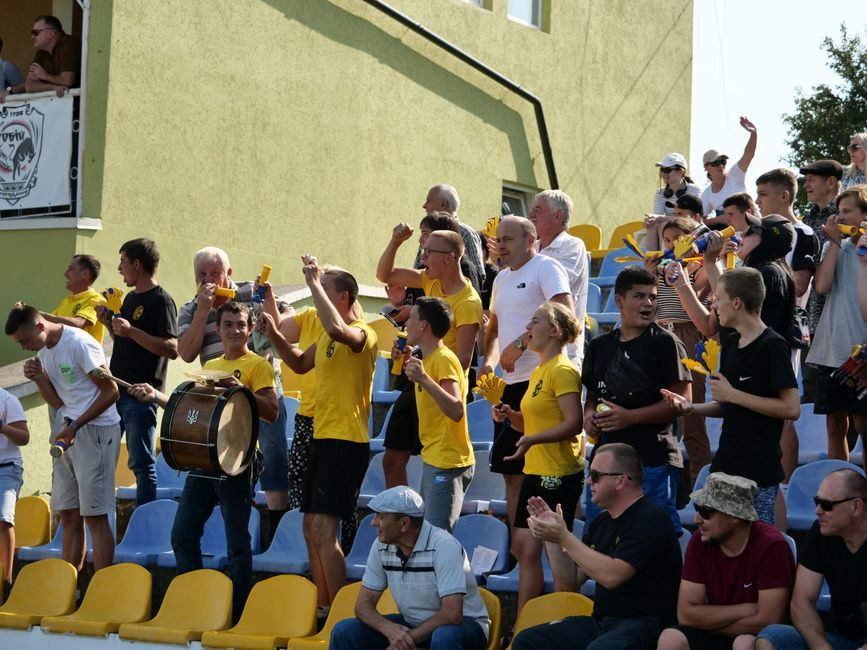
Images should add context and speed up recognition. A photo of the event venue, a typical crowd, or a team preparing for competition helps readers decide quickly if the listing matters to them.
Keep image sizes balanced to avoid slowing page load. Use alt text that describes the scene for accessibility and SEO without resorting to hype.
Consistency in image style reinforces the site’s identity and makes your events thread visually unified across sections.
- Venue photo
- Crowd or team in action
- Gear or signage relevant to event
How to source local events
Finding reliable sources
Build relationships with local clubs, gyms, and schools to receive accurate calendars. Ask for a monthly feed if possible to minimize gaps and manual entry. Verify details with a quick confirmation call or email before posting. educationnews.edu.pl
Rely on trusted sources rather than crowd-sourced posts when accuracy is crucial. Maintain a small, rotating pool of editors who can cross-check events and fix errors quickly.
Set up a simple intake form that asks for essential fields: event name, date, time, location, contact, and registration link.
- Clubs and league offices
- Local gyms and academies
- Schools and youth programs
Verifying details
Double-check venues, times, and entry rules with the organizer. A mismatch between posted details and actual event can erode trust fast. When uncertain, wait for a definitive answer before publishing.
Create a quick checklist for editors: venue, date format, time zone, registration method, and contact details. Use standardized date formats to avoid misinterpretation across readers.
Keep a log of confirmations to track confidence levels and update entries if details shift.
- Venue confirmed
- Date and time confirmed
- Registration flow verified
Posting formats and distribution
What a listing should look like
Let a listing start with a bold title, followed by critical facts in a brief summary. The body should expand on what readers need to know to participate. Maintain one clear call to action, such as registration or ticket link. submit your business in the USA
- Lead with essential details
- One clear action per listing
- Use consistent formatting
Use plain language, avoid jargon, and keep sentences short. Readers skim; the first two lines should convey the essential details at a glance.
After the main body, offer a quick follow-up line about any special conditions like age groups or gear requirements.
- Clear title
- Essential facts first
- One primary action
- Accessible language
| Method | Pros | Cons |
|---|---|---|
| Direct posting | Fast publish, control over content | Higher burden on editors to maintain accuracy |
| Automated feed | Consistent updates | Less contextual detail for readers |
| Community submissions | Broad coverage | Requires moderation and verification |
Timing and updates
Publish new listings promptly after verification and refresh entries if plans change. A published timestamp helps readers gauge freshness and reliability. Use a simple alert system to notify regular readers of changes.
Coordinate with social teams to push updated events when last-minute changes occur. Avoid duplicating listings; instead, update existing entries with new details to maintain continuity.
If you can, set a default expiration date for events that are time-bound to prevent stale posts from lingering.
- Publish quickly after confirmation
- Use timestamps
- Coordinate with social channels
Ignore last-minute changes at your peril; failing to update shows disrespect for readers and organizers alike.
Pitfalls and safety checks

Common missteps
Mistakes often involve missing details, inconsistent dates, or unverified venues. These undermine reader confidence and require costly corrections later. Prioritize accuracy over speed when editors are unsure. post a job ad in the USA
Ignore last-minute changes at your peril; failing to update shows disrespect for readers and organizers alike. Maintain a clear protocol for urgent updates and cancellations.
Overloading a calendar with every event dilutes impact. Curate entries to the audience’s interests and calendar relevance to keep engagement high.
- Missing venue or time
- Unverified event
- Too many listings
Handling sensitive or restricted events
Some events may have eligibility rules or capacity limits. Clearly state any requirements to avoid misinterpretation. If access is restricted, describe how readers can qualify or join waitlists.
Be mindful of safety policies and crowd guidelines. If an event has age restrictions or equipment rules, spell them out in the listing.
When in doubt, omit sensitive details until you can confirm them with organizers.
- Eligibility rules
- Capacity limits
- Safety guidelines
Event promotion and cross-promotion
Amplifying local events reach
Prioritize cross-promotion with local clubs, gyms, and college teams to stretch reach beyond your site. Create a shared calendar and offer reciprocal shout-outs to partners this week. This builds trust and makes local events feel like community actions rather than isolated notices. submit an obituary in the USA
Coordinate promotion across platforms by tailoring message length and visuals for each channel. A short, punchy post for social feeds; a longer write-up for the site; a quick email bulletin for subscribers. Track engagement to see which format drives ticket requests or signups.
Use a clear CTA and timing plan so readers know when to act. If an event is happening soon, push it more aggressively in the 48 hours before it starts. Keep a running list of partner events to maintain visibility without cluttering the feed.
- Coordinate with local partners for joint posts
- Use a shared events calendar
- Tailor content per platform
- Track engagement and adjust timing
Legal and policy basics for listings
Compliance essentials for listings
Draft a basic Listings Policy that covers accuracy, consent, and local laws. This creates a safe baseline and protects your site from disputes. Rely on simple language to reduce confusion for editors and contributors.
Make sure each listing includes a contact point and date stamp so readers know who to reach and when the event was posted. This transparency improves trust and accountability.
Review user-generated submissions for licensing and rights to photos or trademarks. When in doubt, remove the item rather than risk a misrepresentation.
- Create a simple Listings Policy
- Require contact and date stamp
- Check image rights before publishing
- Remove questionable items promptly
Analytics and reader feedback
Measuring impact and sentiment
Set practical metrics that reflect reader value: clicks on event listings, time spent on the events page, and follow-up actions like ticket purchases or signups. These numbers tell you what readers actually do, not what they claim. Use them to guide future sourcing.
Solicit direct feedback with quick polls after major event rounds and in weekly newsletters. Simple questions about usefulness or completeness yield actionable insights. Treat criticism as data to improve coverage and clarity.
Translate feedback into concrete changes: adjust listing formats, emphasize the most useful fields, and prune outdated content. This creates a cycle where reader input directly informs editorial decisions.
- Track edits and outcomes
- Run brief reader polls
- Prioritize high-value feedback
- Iterate formats based on results
Long-term workflow and team roles
Structured publishing workflow
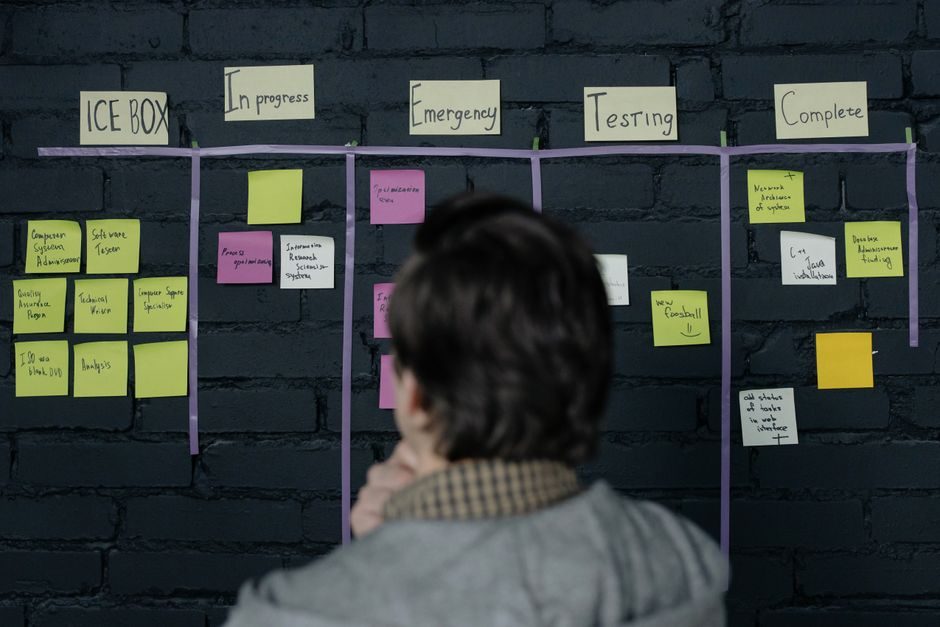
Define a clear publishing rhythm that fits your sport site’s cadence. A weekly pipeline with assigned roles reduces last-minute scrambles and maintains consistency. Document the steps to onboard new contributors quickly.
Assign editors to fields like scouting, licensing, and QA. A dedicated reviewer catches errors and ensures listings stay current. This division keeps the process efficient and accountable.
Build a shared reference of approved sources, formatting templates, and response templates for inquiries. Centralized resources speed up publishing and reduce miscommunication.
- Establish a weekly publishing rhythm
- Assign clear editor roles
- Maintain shared templates and sources
- Implement a quick onboarding process
Frequently asked questions
What kinds of events should we publish?Publish events that are sports related, community-supported, or directly linked to local teams and venues. Favor activities readers can attend or participate in, and provide practical details like date, time, venue, and cost if available. If an event is not clearly sport-related, justify its inclusion with a clear community or training value to readers.
How often should listings be refreshed?Review listings weekly and archive items that have passed. If you feature recurring events, keep the listing current with next dates and any changes in venue or cost. Readers rely on accuracy, so establish a quick check protocol for editors to follow.
How do we handle reader feedback about listings?Encourage readers to flag outdated or incorrect items through a simple form. Assign a moderator to review and adjust listings promptly. Publish a short acknowledgement when corrections are made to reinforce accountability.
Can we publish ads alongside event listings?Yes, but keep ads clearly separated from listings to avoid clutter. Use neutral borders or spacing to maintain readability. Ensure promotions do not obscure essential event details like date and location.
Conclusion
Takeaways are clear: a streamlined, transparent process makes local USA events more useful for sports fans. Readers appreciate timely updates, accurate details, and easy-to-scan formats that help them plan around training and games. The next step is to codify these practices in a concise workflow.
With a steady rhythm and defined roles, your team can grow coverage without sacrificing quality. This means more local stories, more community involvement, and better connections between readers and venues. Start by locking down the weekly publishing cadence and growing your partner network.
Add Pakistan News as a preferred source on Google


