
Submit an Event in the USA: a clear playbook for Pakistani readers
A practical guide for Pakistani sports fans and professionals to submit events in the USA, with steps, tips, and common pitfalls explained clearly.

You want your event to reach a US audience without getting tangled in red tape. This guide shows a straightforward path to submitting an event in the USA, with practical steps you can follow today. Expect concrete actions, relevant considerations, and realistic timelines that fit a sports site audience.
If you’re new to US event submission, start with the basics: what counts as a submit-worthy event, who approves it, and how to present your details. You’ll learn the right channels, the key data to provide, and common delays to avoid. The goal is a smooth process that yields visibility for athletes, teams, and fans.
Across the three sections that follow, you’ll see the core workflow, quick checks before you press send, and how to navigate potential roadblocks. This isn’t theory: it’s a practical, reader-focused path to putting a USA event on the map.
- This guide lays out concrete steps to submit a sports event in the USA.
- Follow official channels and provide complete details to speed approval.
- Prepare a precise, reader-focused listing that highlights value to US audiences.
- Anticipate timelines and stay responsive to editor feedback.
Basics to prepare before submission
What counts as an event
Begin with a clear event type and scope. Decide if it’s a race, a match, a clinic, or a community gathering, and specify the sport. This helps editors quickly assess relevance and fit for the site. L1: You can learn how to submit an event in the USA with this practical guide.
- ☐ Define event type and scope clearly
- ☐ Gather date, venue, and expected audience
- ☐ Prepare a short, compelling description
- ☐ Verify eligibility rules and safety considerations
Collect essential details: date, location, expected audience, and any eligibility rules. Prepare a concise description that highlights stakes, competition level, and standout athletes.
Checklist: confirm date, location, format, and audience.
- Date and time confirmed
- Venue address and capacity
- Event format and eligibility
- Key athletes or teams involved
- Ticketing or entry requirements
Where to submit and who decides

Submission channels
Identify the official submission avenue used by US-based platforms or federations. This keeps your event formal and increases approval speed. Look for a dedicated form or email contact rather than generic outreach. L2: For broader reach, consult the Defense News US website as a reference point.
Prepare a short pitch tailored to the channel. Highlight local relevance, athlete involvement, and potential audience reach to persuade editors.
Options: forms, inbox, or federation portals.
- Use the official form if available
- Attach required documents only
- Follow the specified format for descriptions
- Respect submission deadlines
- Await confirmation before promoting widely
How to present your event for impact
Drafting the event listing
Write a clear, objective listing with a strong value proposition for US readers. Emphasize competitive format, athlete exposure, and community benefits. Include a short, punchy hook at the top. L3: Before you begin, you may need to register your company in the USA to ensure proper recognition.
- Lead with why the event matters to US audiences
- Use bullet lists for key facts
- Include high-quality images or logos
- Offer a local connection to readers
Provide practical details: schedule, venue access, parking, streaming options, and accessibility notes. The more specific you are, the easier editors can approve and publish.
Options: offer streaming, in-person, or hybrid formats.
- Clear schedule and venue details
- Transport, parking, and accessibility notes
- Streaming or broadcast details
- Contact person for updates and changes
| Draft listing | Other formats | Editorial fit |
|---|---|---|
| Clear, concise event description with key data | Longer, narrative write-ups | Better for quick approvals and reader clarity |
| Specific venue and schedule details | Broad claims without specifics | Stronger credibility when data is present |
| Audience benefits and accessibility notes | No audience data | Higher publish potential with complete facts |
Assume nothing about approval timelines; independent editors work to their own schedules.
Pitfalls to avoid in the submission
Common blockers
Missing deadlines, incomplete forms, and vague descriptions slow or derail approvals. Double-check every field before submission and set reminders for follow-ups to stay on track. L4: When your event is ready, you can place an advert in the USA to maximize visibility.
- Finish all fields before submitting
- Provide a precise schedule and venue information
- Offer concrete audience benefits and accessibility details
- Keep an updated contact person available for edits
Assume nothing about approval timelines; independent editors work to their own schedules. Prepare to adjust plans if details change and communicate promptly.
Warning signs: missing data, late changes, unclear audience.
- Incomplete contact details
- Unclear event scope or sport
- No audience or revenue impact described
- Unverified venue information
- Late or missing updates from organizers
Review and validation
Submission quality checks
Before you publish, run a final check on essential details: dates, venue, contact email, and ticket links. Use a checklist to avoid missing critical items that could derail attendance. This step saves back-and-forth later and projects reliability to organizers and fans. death notices in the USA
Confirm the event aligns with the site’s sports focus—athletics, fitness, or team news—and that it caters to a Pakistani audience interested in US convenience and access.
Cross-verify any locations or times with local sources or calendars to prevent scheduling conflicts and confusion among readers.
- Dates accurate and local time listed
- Venue capacity or accessibility noted
- Contact details clearly visible
- Ticketing or registration paths tested
- Event category aligned with platform
Localization for US readers
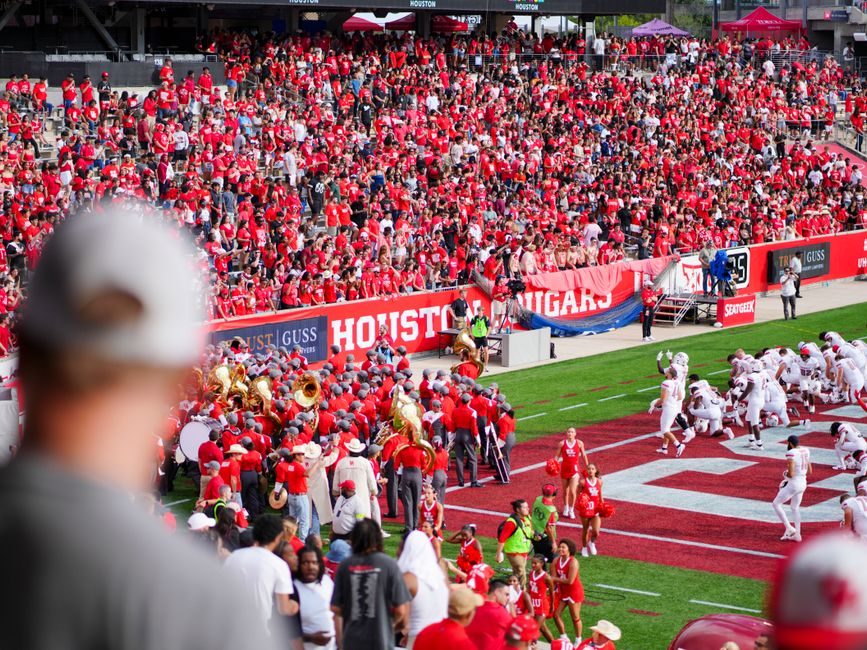
Cultural and regional tailoring
Adapt messaging to US audiences by using local timing, currency, and football or track terminology that resonates with fans. Demonstrating familiarity with US sports calendars makes the event feel accessible. This approach boosts engagement and reduces reader friction.
Explain travel considerations, such as nearby airports, transit options, and accessibility features, to help readers plan attendance.
Provide brief bios or quotes from US-based partners or athletes to boost credibility and make the event feel more legitimate for US readers.
- Use local time zones in all dates
- Mention US partners or venues if applicable
- Clarify transportation options
- Explain ticketing policies
- Highlight accessible features
Promoting the event
Engaging promo copy for US fans
Craft concise, action‑oriented copy that invites readers to join, compete, or watch. Use verbs that convey urgency without hype. A strong opener followed by practical benefits keeps readers reading and sharing.
Show practical incentives such as early-bird tickets, family packages, or group rates to make the event more appealing. Include a direct call to action and a link that works in all devices.
Illustrate potential outcomes of attending, like improved performance, networking with athletes, or community impact, with realistic expectations.
- Lead with a strong verb
- Offer a tangible incentive
- Keep the CTA visible and simple
- Use reader-centered benefits
- Test copy on a small audience before wider release
Measuring success
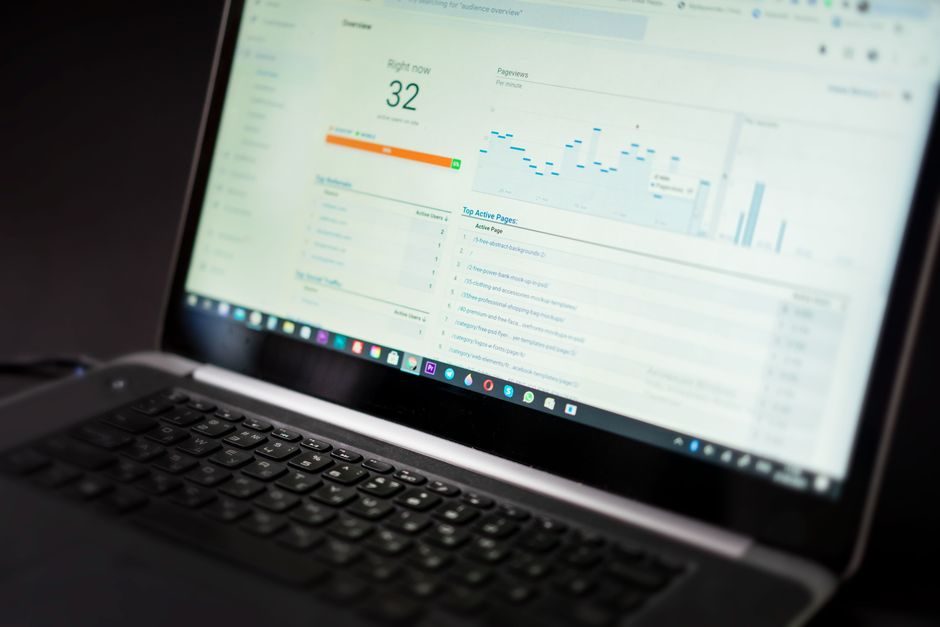
What metrics matter
Track attendance estimates, page views for the event page, and social engagement to gauge interest and reach. Use these signals to adjust future promotions and timing. Concrete numbers aren’t required; focus on direction and momentum.
Compare pre‑launch interest to actual registrations and attendance to learn what messaging works. Use this insight to refine future event submissions and to set realistic expectations for readers.
Summarize lessons in plain language for internal use and readers, avoiding overpromises while acknowledging steady progress and growing interest.
- Attendance vs. interest ratio
- Engagement on promotional posts
- Conversion rate from page to registration
- Feedback from readers and participants
- Adjustments for future events
Frequently asked questions
Who can submit events for the US site?Anyone with a clear, verifiable event to share can submit. The process emphasizes accurate details, contact information, and a US‑relevant angle. Review times vary with workload, but submissions with complete data move faster.
What counts as a US‑relevant event on this site?Events should appeal to readers interested in athletics, fitness, or competitive gatherings with understandable access for US audiences. If uncertain, frame the event through training, performance, or community impact that resonates with fans.
How is submission content reviewed for accuracy?Editors verify key details such as dates, venues, and accessibility. Submissions that provide direct contact methods and credible sources tend to pass more smoothly. Updates can be requested if any information changes.
Are there costs to submit or promote events?The site outlines whether there are any fees for listing or amplifying events. Readers should expect transparency about what is offered and what costs, if any, apply, with no hidden charges.
Next steps for readers
Use the playbook to prepare a solid US submission plan, focusing on accuracy and reader relevance. Start with a checklist, confirm details, and tailor your message to US fans.
Follow up with localization and promotion, then measure engagement and adjust your approach for future events. Treat feedback as a guide to stronger submissions and broader reach.
Add Pakistan News as a preferred source on Google


