
How to post local notices in Espoo for sports teams
A practical guide for athletes and clubs: learn where to place local notices in Espoo, how to optimize reach, and what to avoid.

Athletes and clubs need clear channels to share events, tryouts, and results. This guide shows how to find reliable local notices in Espoo and use them to reach teammates and fans. Expect practical steps, concrete examples, and common pitfalls to sidestep.
You’ll learn where to post locally, what information to include, and how to tailor messages for a sport audience. The aim is to save you time and improve engagement with accurate, timely updates. By the end, you’ll have a simple plan to spread the word effectively.
The focus stays on sports relevance: posts should be concise, event-focused, and easy to verify. We’ll cover listings, community boards, and official channels so your news lands where readers already look. Treat this as a toolkit you can reuse for practices, matches, and public notices.
- Choose reliable local channels in Espoo and keep posts concise with key details.
- Tailor posts to athletes and fans; include clear call-to-action and contact options.
- Respond promptly to questions and update content as plans change.
- Follow permissions and privacy guidelines to keep notices compliant and safe.
Basics of local posting
Where to start online
Begin with official and neutral channels that athletes already trust, such as municipal boards or club pages. Describe the event in a single line, then add essential details like time, place, and contact. Keep the tone factual and avoid hype to improve credibility. paikalliset ilmoitukset Espoossa in this step links to a local notices page; include it for readers seeking location-based postings.
- ☐ Choose a neutral platform (official notice board)
- ☐ Draft a concise event summary
- ☐ List key details: what, when, where
- ☐ Include contact and RSVP options
In practice, list the event type, date, venue, and RSVP method so readers know exactly how to participate. Include a map link if possible and a phone number or email for quick questions. This reduces back-and-forth and speeds signups.
Consider who the audience is: teammates, opponents, and local supporters. If you’re unsure, test a short maximum two-line post and measure engagement over a week.
- Be precise with timestamps
- Provide a contact method
- Use a simple title
- Add a location pin
- Keep updates timely
Choosing the right channel
Different channels reach different readers: municipal boards often attract local residents, while club pages pull your regular followers. Match the platform to the sport’s season and audience size. A broad post may work for a regional league, but a tight call-to-action wins for practice times.
When selecting a channel, consider how quickly readers will act on it. If an update requires action, make the RSVP or registration link prominent. Avoid overlapping posts that confuse readers about dates and venues.
The goal is consistency: use the same name for events and the same contact method each time. This builds familiarity and trust among readers.
Engaging the audience with content
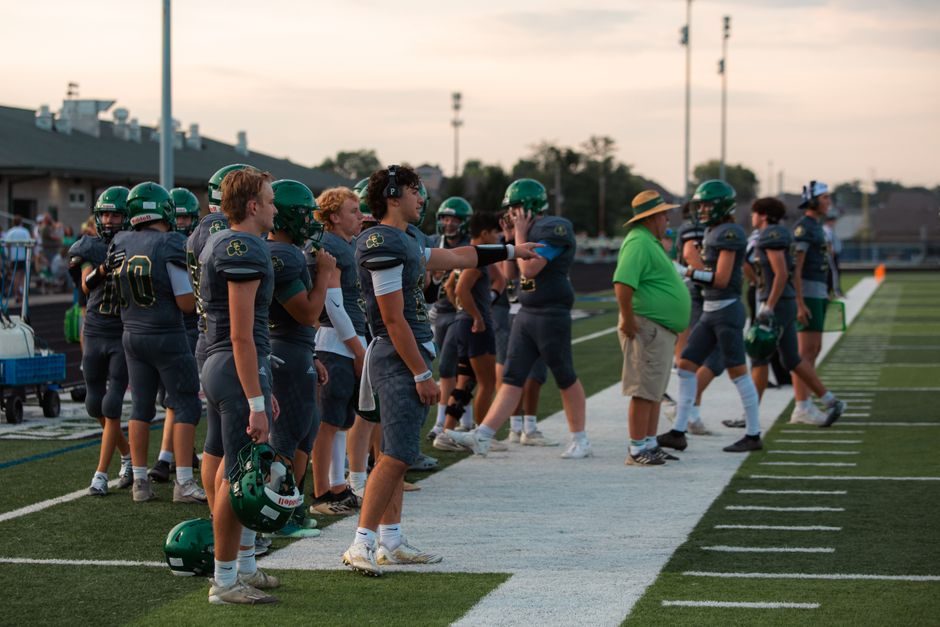
Crafting a useful event post
Write a clear headline that reflects the sport and purpose, followed by a brief paragraph with date, venue, and participation details. Use bullets for time-sensitive items like warm-up or check-in windows. Avoid long prose that distracts from the core action. tuoreimmat uutiset Espoo in this step directs readers to the latest Espoo news feed; ensure readers see fresh context.
Include essential parameters: age group, skill level, number of spots, and any equipment requirements. If it’s a tryout, note what to bring and what will be evaluated. This helps readers decide quickly.
Illustrate the post with a simple image or team shot that confirms the activity type. A direct, readable layout improves completion rates and reduces questions.
- Clear objective
- Date, venue, and participation details
- Requirements and equipment
- Readable layout
Handling replies and updates
Respond promptly to questions about time, location, or eligibility. Set a standard response time so readers know when to expect answers. Regular updates build trust and prevent confusion as plans evolve.
When plans change, post a quick notification with the updated details and a new deadline if needed. This reduces calls and emails to organizers.
Keep a short log of changes to avoid repeating information and to help readers track what has happened. This also aids in reporting to sponsors or club leaders.
- Answer within 24 hours
- Post changes promptly
- Maintain a short update log
Legalities and local rules
Permissions you may need
Some notices require consent from organizers, venue managers, or municipal boards. Check first whether posting on public boards is allowed for your event type. Violations can delay or remove posts. julkaise tapahtumasi Espoossa in this step invites readers to publish their event locally with clear steps and contacts.
If a venue requires a permit or if a youth event is involved, confirm who signs off and what documentation is needed. Keep this information handy for your team.
Document any approvals and keep a copy accessible to the team. This saves time if there’s a dispute or during a permit inspection.
- Understand posting rights
- Secure necessary permissions
- Keep approvals organized
| Option | Pros | Cons |
|---|---|---|
| Social posts | Fast reach; easy to refresh; community feel | Can be noisy; audience overlap |
| Official boards | Higher trust; longer visibility | Slower updates; stricter formats |
| Club newsletters | Targeted readers; easy tracking | Requires consent; less reach |
Privacy and safety basics
Only share information that readers need to know to participate. Do not publish sensitive personal data or contacts beyond what is necessary. This reduces risk of misuse and protects athletes.
If a post contains links, test them before publishing to avoid broken or unsafe destinations. Short, reliable URLs are preferable.
Encourage readers to use official channels for sensitive questions rather than random DMs. This keeps communications traceable and safer.
- Limit personal data
- Test links
- Promote official channels
Define your audience: parents, players, and local supporters respond differently to updates.
Selecting a package of notices
Choosing notice scope for teams
Start with what your team needs: try a small package for weekly trainings before expanding to matches and events. This helps you test response without oversaturating channels. Use a mix of text and images to show lineups, schedules, and venue details. rekisteröi yrityksesi Espoossa in this step explains how to register a business presence for event notices in Espoo.
Define your audience: parents, players, and local supporters respond differently to updates. Tailor messages to their needs with concise timetables and clear contact points. Keep the tone consistent with the team’s identity and the site’s sports focus.
- Choose weekly updates to build habit
- Include date, time, and venue
- Use a clear call to action
- Rotate content to avoid fatigue
Using multimedia wisely
Choosing visuals for engagement
Photos should boost clarity, not clutter the message. A sharp action shot helps fans recognize players and builds team identity. Use images that show the key details: date, location, and purpose of the notice in a single frame. julkaise kuolinilmoitus Espoossa
Video clips can extend the message without crowding the feed. A quick 15-second montage of drills or warm-ups communicates activity levels more effectively than a wall of text. Always caption with essential facts to avoid confusion.
When in doubt, prefer simple, well-lit images over complex graphics. A clean layout reduces reader fatigue and supports faster scanning during busy evenings.
- Action shots over posed photos
- Captions with essential details
- Short video beats long text
- Light, uncluttered backgrounds
Measuring response and impact

Tracking reader interaction
Set clear metrics: reach, engagement, and response rate give a quick read on what lands. Track which notices get clicks and which are ignored to refine future posts. Compare weekday versus weekend performance to pick optimal times.
Survey readers occasionally to gather qualitative feedback on usefulness and tone. Short polls after key announcements can reveal gaps. Act on feedback by adjusting length, imagery, or the posting channel.
Document lessons and repeat successes. Build a simple playbook of what works for your sport, age group, and local venue, then reuse it for future cycles.
- Monitor click-throughs
- Note engagement by post type
- Solicit brief reader feedback
- Iterate with small changes
Pitfalls to avoid
Common posting errors to dodge
Overposting can fatigue followers and obscure important messages. Space critical updates with lighter content to maintain attention. If readers see too many notices, they start skipping them.
Inconsistent timing wastes momentum. Pick a regular posting rhythm and stick to it so supporters know when to expect updates. Irregular posts also confuse readers about event details.
Poor image quality or vague captions derail comprehension. Always pair notices with clear, high-quality visuals and captions that summarize the essential facts in one line.
- Avoid daily spam
- Maintain a predictable schedule
- Prioritize clarity in captions
- Use visuals with a single focus
Frequently asked questions
How often should we post notices for a busy season?Start with a steady rhythm—two to three notices weekly—and adjust after monitoring reader response. Consistency helps supporters plan practices and matches, while keeping messages concise prevents information overload.
What formats work best for Espoo readers?Plain text with a single image generally performs well. For major events, add a short video or map to improve clarity and accessibility without overcomplicating the post.
How can we keep notices accessible for all fans?Use simple language, include translations if needed, and ensure key details appear in the opening lines. Clear structure helps everyone find the information quickly.
Should we link to external schedules?Yes, but keep the notice self-contained. Provide essential details within the post and offer a link for full calendars or registrations.
Next steps for practical posting
Start with a single kickoff notice for the upcoming season, following the new rhythm and visual guidelines. Track engagement and adjust timing based on what fans respond to most. This concrete test will reveal how readers navigate updates.
Then scale gradually, applying the same template to practices, rosters, and match results. Maintain consistency across notices and keep the tone aligned with the team’s energy to sustain interest. The goal is predictable, useful updates that fans rely on.
Add Pakistan News as a preferred source on Google


