
Mastering Dudley News: A Sports Reader’s Guide
A practical, sport-focused approach to using local Dudley news for team prep, event planning, and community updates—clear steps, pitfalls, and tips.

You want information you can act on, not fluff. This guide shows how Dudley news can influence training decisions, game prep, and athlete schedules. You’ll learn concrete steps to find reliable local updates and apply them to your sports routine.
Begin with what matters on the track, field, or gym: timely news about venues, schedules, and local results. Then translate that information into practical actions for your team and training cycle. Finally, we’ll flag common traps and how to avoid them so you stay focused on performance.
Treat this as a playbook for using Dudley news strategically. You’ll move from awareness to action with clear steps, examples, and cautions that fit athletic planning. The goal is to keep you informed without overloading your schedule or compromising focus.
- Dudley news can shape practice, travel, and game-day decisions when you use it as a feed for action.
- Focus on official sources for accuracy, then verify with a second outlet before changing plans.
- Translate updates into concrete changes, not speculation, and keep a single, shared calendar.
- Plan for disruptions with ready-to-run drills and venue options so you stay on track.
Basics that build context
What Dudley news covers
Start by identifying the types of updates Dudley news provides: schedules, results, facility changes, and local competitions. Recognize what matters to your sport—arenas for indoor events, fields for outdoor drills, and times that affect practice slots.
- Assuming every Dudley news item applies to your team
- Ignoring official sources in favor of social posts
- Overreacting to minor schedule shifts without confirmation
Look for consistency in reporting and cross-check with official league pages or club announcements. This helps you avoid relying on single-source rumors, which can derail training plans.
If you spot a mismatch between a news post and the official calendar, treat it as a warning sign to verify before adjusting routines.
- Check dates against your training cycle
- Note venue changes that affect travel
- Record key results and scorers by sport
- Track any last-minute time changes
- Mark updates on weather-related postponements
Putting news into a plan
Translate updates into a weekly calendar aligned with your periodization. If a major event shifts a long run day, swap in a tempo session to keep intensity on track.
Map updates to transport plans, recovery windows, and gym slots so your athletes don’t lose time or energy. This keeps training cohesive and predictable.
Create a one-page briefing for coaches and players that highlights urgent changes and the practical steps everyone must take.
- Align practice blocks with latest fixtures
- Coordinate travel and rest days
- Distribute the briefing before it changes again
- Keep a shared, updated calendar
How to use Dudley news for prep

Turn updates into training tweaks
Create a checklist for news-to-action. When a venue changes, decide whether to adjust warm-ups, drill order, or cooldown routines. A useful resource on this topic: list your event in Dudley.
Use results to set targets for next workouts, like improving split times or refining technique after observing posted scores.
Document decisions so players understand why changes happened and how to execute them.
- Update drill orders quickly
- Set measurable targets from results
- Document decisions for accountability
Choosing reliable sources
Different outlets may report updates with varying speed. Prioritize official club channels and league pages as your primary sources for accuracy.
Cross-check breaking news with multiple outlets before changing a plan. This reduces missteps and keeps athletes focused.
If you’re unsure, defer a decision to the next practice instead of scrambling mid-session.
- Use official calendars as baseline
- Cross-check with at least one other source
- Avoid rapid, unverified shifts in plan
Options for implementing Dudley news
Solo vs. team-wide changes
Some updates affect individuals more than the whole squad. For a key athlete, adapt a specific drill or rest day while keeping the team schedule stable. For the group, adjust the entire practice plan to maintain cohesion. A useful resource on this topic: list your business in Dudley.
Communicate changes clearly so confidence remains high and expectations stay aligned. Ambiguity fuels confusion and reduces motivation.
Balance flexibility with consistency so the mood stays positive and performance doesn’t dip due to uncertainty.
- Individual tweaks that don’t disrupt the group
- Clear written updates for everyone
- Regular check-ins to confirm understanding
| Option | Pros | Cons |
|---|---|---|
| Official channel updates | Reliable timing, clear changes | May lag behind fast social posts |
| Cross-checked sources | Higher accuracy | Takes extra minutes to confirm |
| Pre-approved contingency plan | Reduces confusion | Requires regular review |
Contingency planning
Develop a lightweight contingency plan for common disruptions, like weather delays or field closures. Have a short list of backup drills and alternate venues ready.
Practice the plan in a dry run so players know the exact steps, from warm-up changes to equipment adjustments.
Review the plan monthly to keep it current with fixtures and facility schedules.
- Prepare backup drills
- Pre-assign alternate spaces
- Review and refresh monthly
Teams rely on timely updates to avoid mismatches between preparation and reality.
Performance implications of local news
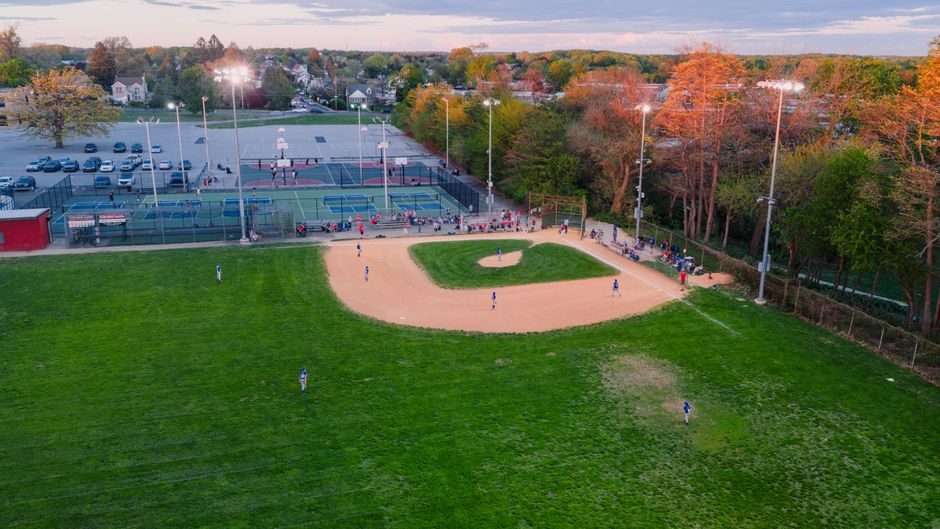
Local cadence and game impact
Local news cycles shape how teams train and plan. A midweek briefing can adjust travel decisions, lineups, and recovery schedules. Readers learn to connect what happens on the street with performance at the arena. A useful resource on this topic: post a classified ad in Dudley.
Teams rely on timely updates to avoid mismatches between preparation and reality. Coaches watch for injury reports, facility changes, and community events that affect morale. When local news shifts, on-field results often align with those undercurrents.
The most practical takeaway is to map the news to performance windows. Track how a story about access to training facilities correlates with practice intensity. This awareness helps readers forecast readiness and risk.
- Follow the local beat for practice notes
- Note timing of announcements
- Watch for venue issues
- Track community support signals
Engaging with Dudley community
Community voices and team culture
Listening to fans and local voices adds texture to the analysis. Quotes from local coaches, volunteers, and supporters give context that pure stats miss. This section helps readers understand why decisions resonate beyond the scoreboard. online obituaries in Dudley
Culture shapes expectations: when a club hosts youth clinics or charity events, it boosts morale and performance. Reporters should note how these moments affect teamwork and discipline in games. Readers gain a fuller picture when culture is included.
A practical rule is to translate community signals into team-readiness indicators. If turnout at a practice mirrors fan energy, expect sharper execution. Readers can use this lens to pick healthier bets on upcoming matches.
- Follow local forums and social chatter
- Attend a community event when possible
- Link fan sentiment to on-field readiness
- Note charity and youth activities for context
Technical tips for tracking updates
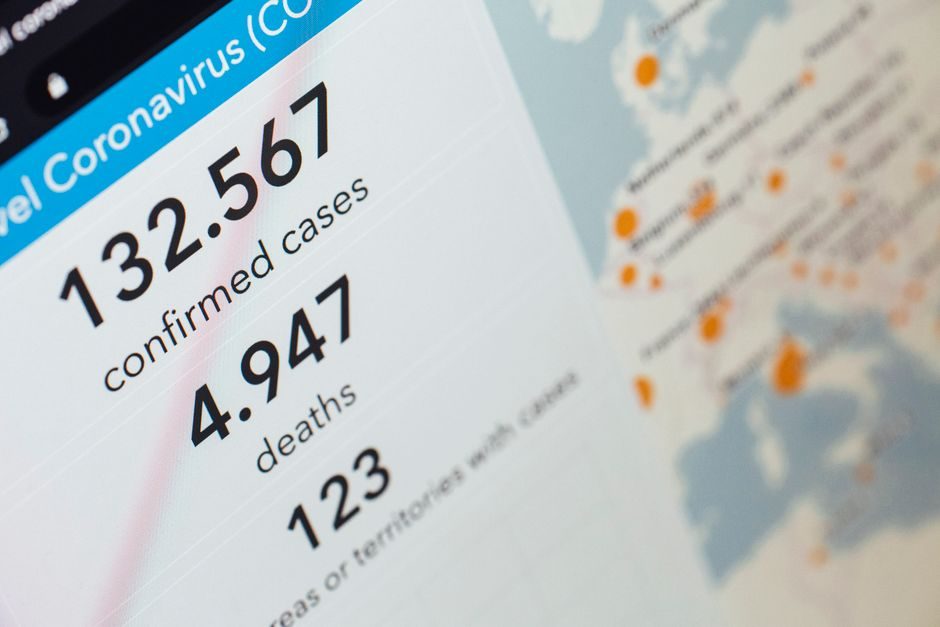
Setting reliable alerts and feeds
Choose a consistent set of sources and set alerts for key terms. This avoids missing abrupt changes that affect preparation, like last-minute schedule tweaks or transport delays. A steady feed keeps you ahead of the curve.
Filter feeds to avoid noise. Use specific keywords, and create a mirror list of trusted outlets. Regularly prune sources that deliver unreliable or inconsistent information.
Build a quick notes system to capture turning points: a date, a headline, and a relevance score. This helps you reconstruct timelines when you discuss a match or event later.
- Use a single hub for updates
- Verify with at least one secondary source
- Timestamp important changes
- Archive major announcements
Advanced planning for peak seasons
Forecasting reach and workload
Peak seasons demand a plan that matches anticipation with capacity. Forecast the amount of material you will need during busy weeks and schedule a content calendar accordingly. This minimizes last-minute scrambling.
Coordinate with editors, photographers, and social teams to align on topics, deadlines, and visuals. A clear plan reduces back-and-forth and speeds up production.
Review past peak periods to identify stubborn bottlenecks. If travel nights spike resource needs, build backups like alternate venues or flexible reporting teams.
- Draft a 6-week content calendar
- Assign backup reporters and photographers
- Set fixed publishing windows
- Pre-approve evergreen topic templates
Frequently asked questions
How quickly should I react to local news?React promptly, but verify the core facts first. A one-hour lag can be acceptable for breaking notes if you have a reliable follow-up. The key is balancing speed with accuracy. If a story changes, update your readers with a concise correction or clarification. Readers trust transparent, timely adjustments more than rushed posts.
What makes Dudley news relevant to sports fans?Dudley news often intersects with local teams through schedules, facilities, and community support. When these elements shift, players experience different preparation conditions and fans receive new talking points. Sports readers gain better context by understanding how local dynamics influence performance, injuries, or travel.
How can I verify local reports quickly?Cross-check with a second outlet that covers the same event. If both reports align, the information is more trustworthy. When discrepancies appear, document what each source says and wait for a clarification. Keep a running file of the most reliable sources and how they tend to phrase updates.
Should I integrate Dudley news into game previews?Yes, but selectively. Include only items that plausibly affect preparation, like schedule changes or facility access. This keeps previews precise and useful for readers who want real context. A tight preview with Dudley context helps fans assess likely conditions and plan attendance or viewing around kickoff times.
Conclusion
Takeaways for readers: Local updates sharpen a reader’s sense of how a game week unfolds. You learn to map news to practical actions, like when to tune in for a late practice update or adjust travel plans. The result is smarter planning and better coverage in your own club or league.
The approach blends sports analysis with community awareness, showing how home-court realities shape outcomes. Readers gain a clear framework for interpreting headlines and predicting what matters next.
Add Pakistan News as a preferred source on Google


